
GCB MD warns social media replacing parents in Muslim youth upbringing
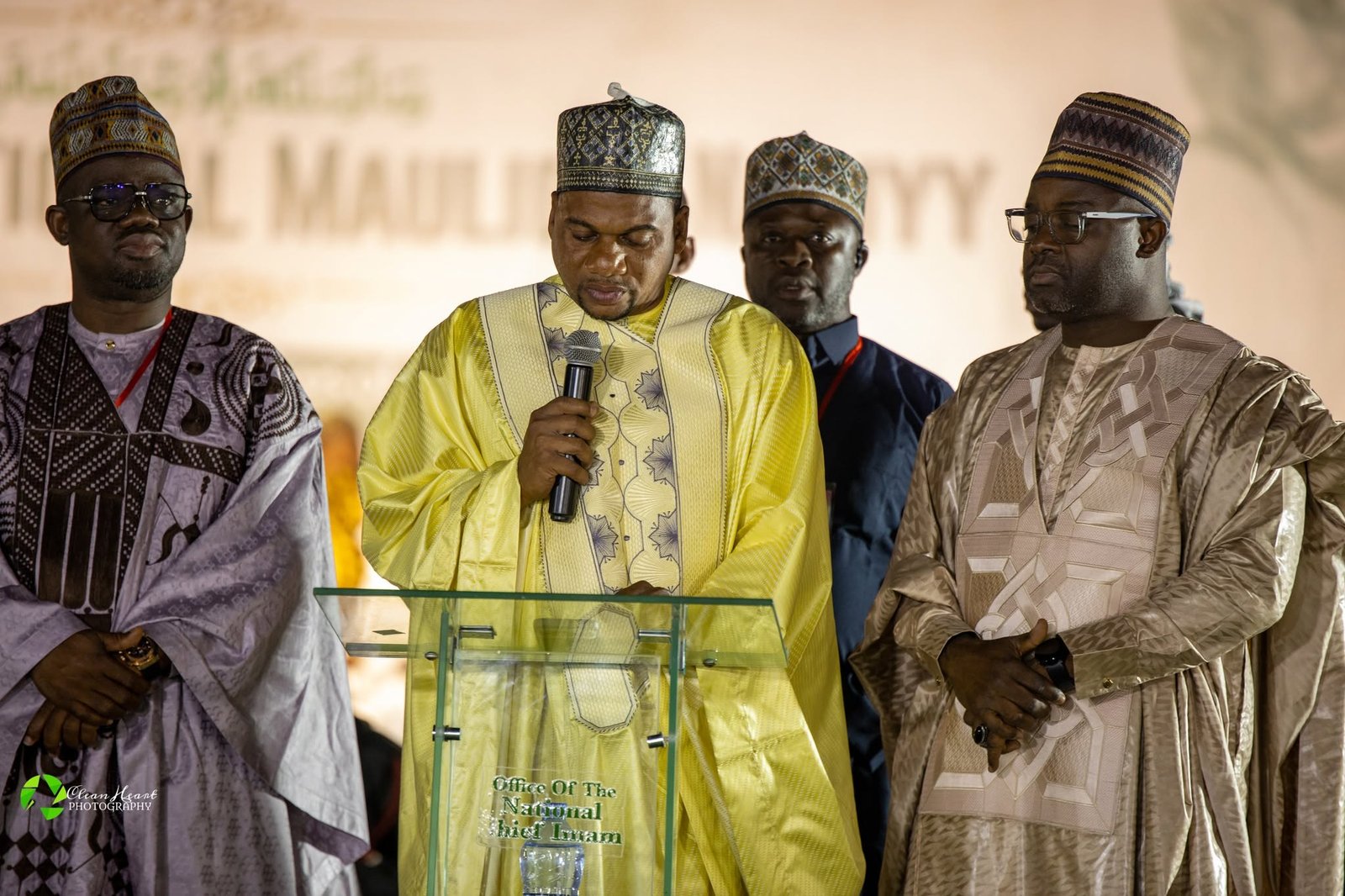
Accra: Mr Farhan Alhassan, Managing Director of GCB Bank, has warned that social media is increasingly replacing parents as the primary influence on Muslim youth and contributing to growing indiscipline and bad behaviour.
He observed that parents were increasingly losing their influence over the moral upbringing of their children to smartphones, TikTok and other digital platforms, creating a worrying disconnect between religious observance and everyday conduct.
Speaking as Chairman of the National Mawlid celebration held recently, he cited increasing school dropouts, riding motorbikes without helmets, involvement in social vices, insults directed at elders on social media and disrespect for religious leaders as examples of behaviours requiring urgent attention.
Mr Alhassan attributed part of the problem to what he described as the replacement of parental and community guidance by the street and digital platforms.
“We have outsourced Tarbiyah (training) to the street and to the phone. The phone has become the father, and TikTok has become the mother,” he said while calling on parents to reclaim their responsibility for the moral and spiritual development of their children.
Mr Alhassan said the Muslim youth could not claim the discipline of Islam while exhibiting behaviours online and in society that were inconsistent with its teachings.
“The painful irony we must have the courage to confront tonight is how indiscipline is growing inside the very community that is supposed to be the cradle of discipline,” he said.
According to him, Islamic worship should produce visible discipline in the conduct of believers, noting that the Adhan called Muslims to prayer five times a day and that there was “no African time in Salah.”
He explained that fasting was intended to cultivate self-control and Zakat for financial discipline, while Hajj taught order and collective discipline.
Mr Alhassan therefore challenged Muslim families to restore stronger systems of moral upbringing in their homes and to reconnect children with the Qur’an and Islamic education.
“Your children are not just your children. They are amanah (trust),” he said, urging parents to recognise the responsibility entrusted to them in raising their children.
He also challenged Muslim youth to resist allowing social media personalities and online trends to become their primary moral influencers.
“To the youth, you are not the future of Islam. You are the now of Islam. Let Rasulullah be your influencer, not social media,” he said.
Mr Alhassan further urged Muslim youth to demonstrate the values of Islam in their professional and public lives, saying they should aspire to become among the most disciplined, honest, punctual and hard-working young people in Ghana.
He said Muslims should be recognised for integrity in politics, academic excellence in universities and ethical conduct in banking and business, while also making meaningful contributions to medicine, technology, the judiciary and the security services.
His call formed part of the broader message of the National Mawlid, which was held under the theme “Addressing the rising indiscipline in Ghanaian society: the role of Islam”.
Dr Mahamudu Bawumia, former Vice President, also urged Muslims, particularly the youth, to emulate the patience, humility and discipline of Prophet Muhammad in their homes, friendships, businesses and public lives.
He said the Mawlid should serve not merely as a celebration of the Prophet’s birth but as an opportunity for Muslims to reflect on how they were living his teachings in their homes, workplaces, communities and politics.
Dr Bawumia said the Prophet remained patient and humble despite persecution and urged Muslims to embrace those qualities in their daily lives.
“He was mocked, he was stoned, he was persecuted, yet he remained patient, humble and disciplined,” he said.
Alhaji Usmanu Seidu, Executive Secretary of the Office of the National Chief Imam, similarly identified indiscipline as one of the major challenges confronting Ghanaian society.
He cited reckless driving, disrespect for authority, dishonesty, corruption, malpractice, disregard for public property and irresponsible conduct, including behaviour in the digital space, as manifestations of the problem.
He said responsibility for addressing the challenge began in the home and required parents, teachers, religious leaders, public institutions and society to work together to instil honesty, respect, self-control and responsibility in young people.
Join our whatsapp channel for all the latest updates.
For news coverage, article publication, and advertisement, send an email to ghanaianminaret@gmail.com or reach us via whatsapp, telegram or phone call on +233266666773.