
Nigeria’s Muslim, Christian leaders to establish joint body for peace
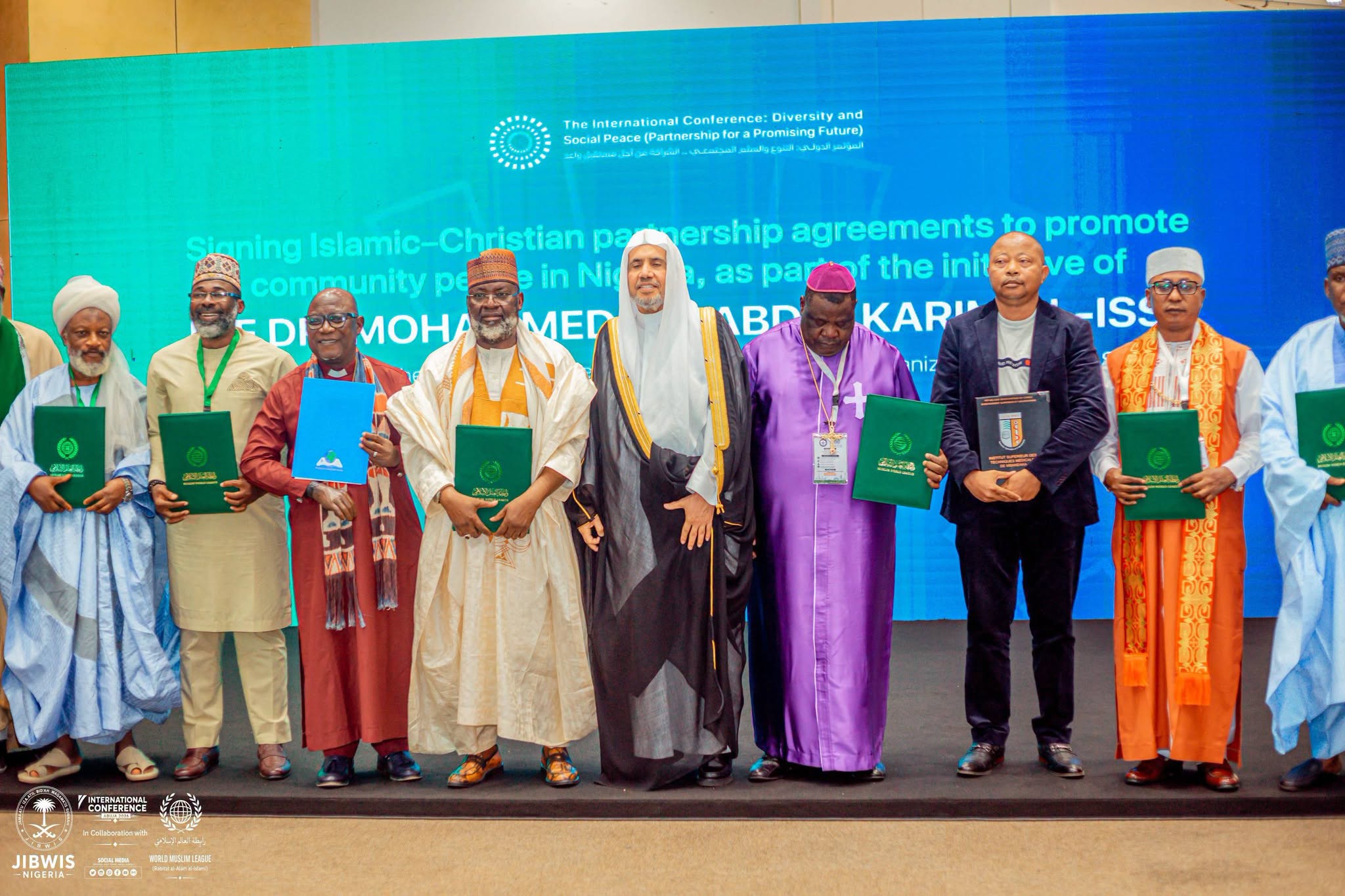
Abuja: Muslim and Christian leaders in Nigeria have resolved to establish a joint body to coordinate interfaith programmes and strengthen consultation and cooperation on issues affecting social cohesion, security and peace.
The decision formed part of resolutions adopted at an international conference on “Religious and Cultural Diversity and Social Peace: A Partnership for a Promising Future”, held in Abuja on August 11 and 12, 2026.
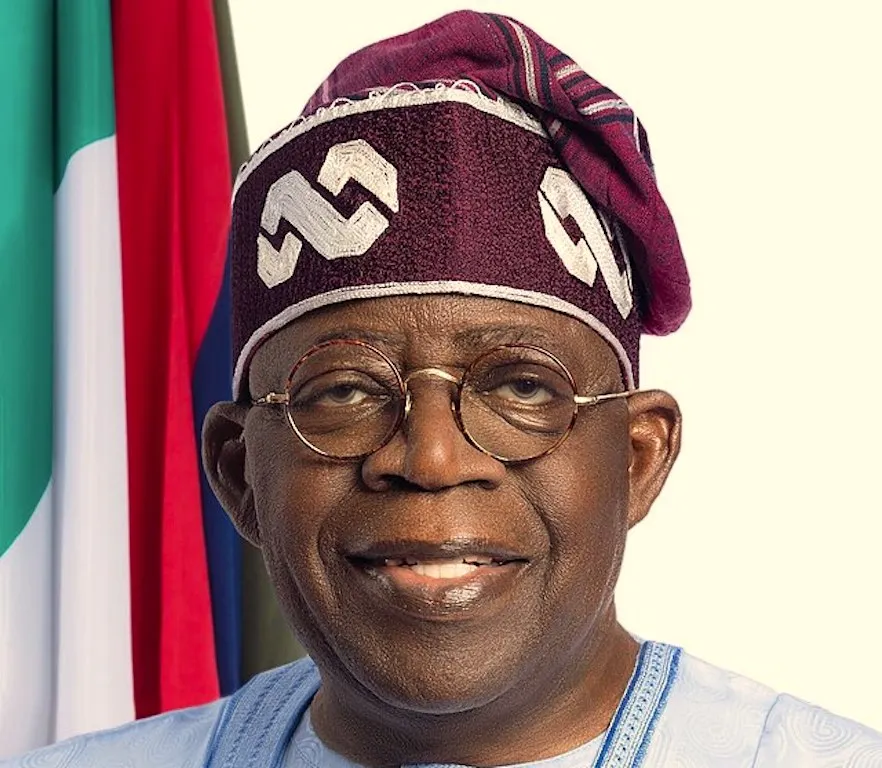
The conference was organised by the Muslim World League (MWL) in collaboration with Jama’atu Izalatil Bid’ah Wa Iqamatus Sunnah (JIBWIS), Nigeria, under the special patronage of President Bola Ahmed Tinubu of Nigeria.
The proposed body will bring together Muslim and Christian leaders and their respective institutions to coordinate joint programmes and provide a platform for consultation and cooperation on matters of common interest.
Participants said the initiative was necessary at a time when societies were confronting increasing hate speech, religious and ethnic conflicts and other threats to social cohesion, stability and development.
The conference brought together Muslim and Christian religious leaders, scholars, government officials, experts, civil society representatives and other stakeholders from Nigeria, West Africa and beyond.
The participants affirmed that religious, ethnic and cultural diversity was a universal reality and should not be treated as a source of conflict and division.
Rather, they said diversity could enrich human civilisation and contribute to the development of societies when managed through mutual respect, dialogue and cooperation.
“Religious, ethnic and cultural diversity is a universal reality,” it stated, adding that “managing this diversity wisely is one of the important foundations for strengthening national unity and building a sustainable and cohesive society,” the communique highlighted.
They also stressed the responsibility of religious leaders to promote peace and prevent the misuse of religion to incite violence or justify extremism.
The participants affirmed that religion, in its essence, was a message of mercy and peace and called on religious leaders to present the authentic principles of their respective faiths while rejecting messages that promote conflict, hatred and violence.
The conference further identified inclusive national dialogue as a critical mechanism for addressing the root causes of violence and strengthening trust among communities of different religions and ethnicities.
Participants said sustained dialogue could help create a culture of cooperation and provide avenues for resolving grievances before they developed into violent conflicts.
They called for closer collaboration among government institutions, religious leaders, educational institutions, the media and civil society organisations in promoting social peace and national security.
“Inclusive national dialogue is the most effective means of addressing the root causes of violence, strengthening trust among communities of different religions and ethnicities, and promoting a culture of cooperation for the service of the nation,” the post-conference communique read.
The conference also rejected the perception that religious and cultural differences were inherently divisive, arguing that Africa’s rich religious, cultural and ethnic diversity could become a source of strength if managed wisely.
Participants said Africa had the potential to provide a model for managing diversity through patriotism, mutual respect and shared religious and ethical values.
They consequently called for greater cooperation among religious leaders, government institutions and civil society organisations to protect national unity and strengthen peaceful coexistence.
The participants also linked social peace to sustainable development, stressing that security and stability were essential conditions for creating an environment in which societies could prosper.
They said sustainable development could not be separated from social peace because persistent conflict and insecurity undermine social cohesion and impede economic and human development.
As part of efforts to translate the conference resolutions into practical programmes, participants endorsed the “Nigerian Youth for Peace” initiative proposed by Sheikh Dr Mohammed Al-Issa, Secretary-General of the Muslim World League.
The initiative is expected to work with the proposed Muslim-Christian joint body and operate across Nigeria’s six geopolitical zones, with its achievements and outcomes shared with international organisations.
The conference also resolved to launch nationwide public awareness programmes to promote patriotism, responsible citizenship and respect for diversity, while combating hate speech and intolerance.
It further called for educational and religious institutions to strengthen programmes that teach young people tolerance, coexistence, responsible citizenship and respect for diversity while enabling them to maintain their religious identities.
The participants reaffirmed that social peace was a shared responsibility and pledged to translate the conference outcomes into practical and sustainable initiatives aimed at strengthening dialogue, supporting security and stability, advancing development in Nigeria and West Africa, and promoting peace, justice and unity.
Join our whatsapp channel for all the latest updates.
For news coverage, article publication, and advertisement, send an email to ghanaianminaret@gmail.com or reach us via whatsapp, telegram or phone call on +233266666773.