
ASWAJ Regional Imams render account on controversial Tijara Ma’allah project to end malfeasance allegations
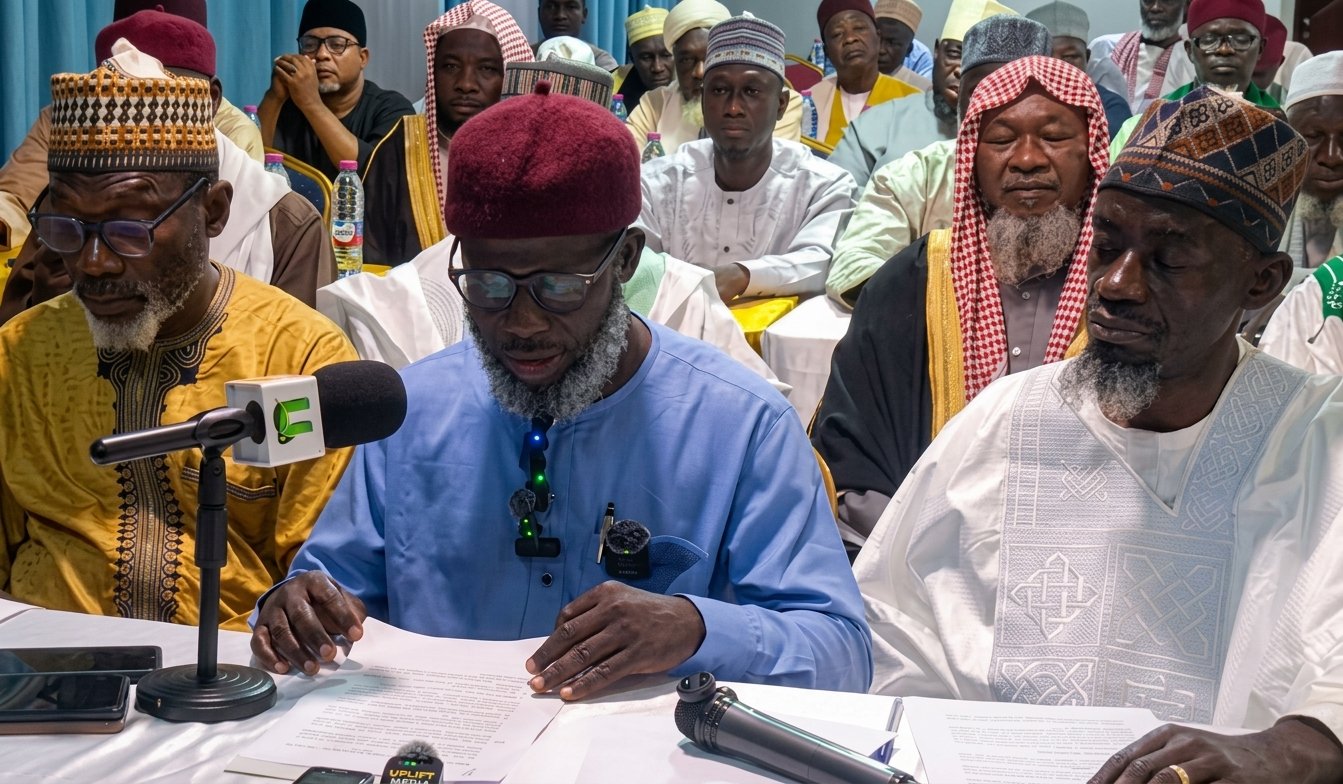
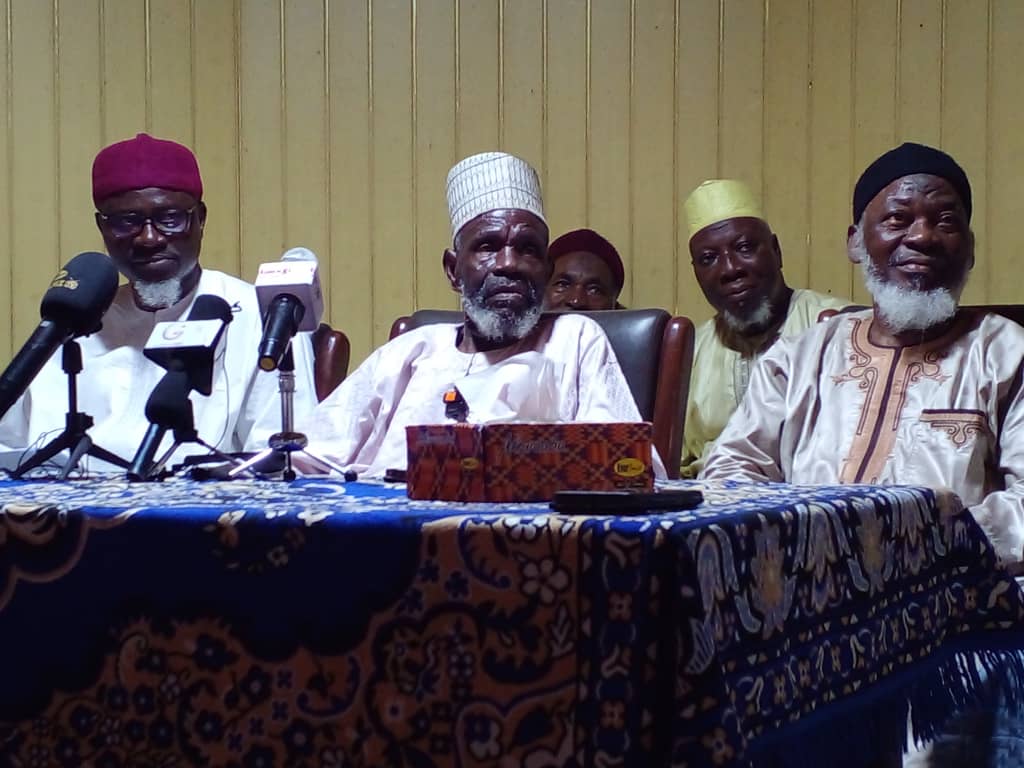
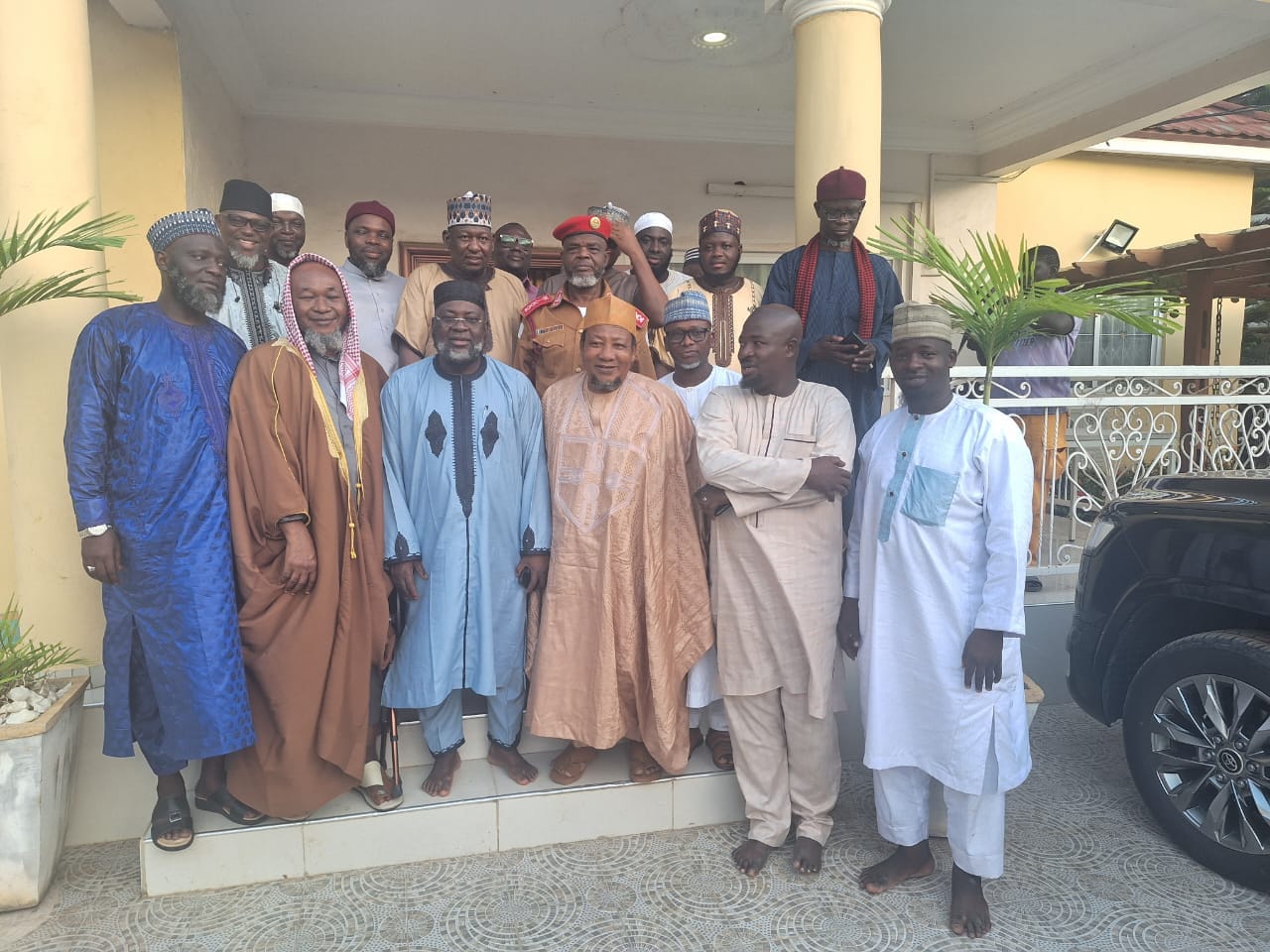
TAMALE: Regional Imams of the Ahlussunnah Wal Jamaah (ASWAJ) Ghana have rendered an account of the controversial Tijara Ma’allah project, disclosing that the initiative raised GH¢297,675 by the end of 2021 and that the funds were subsequently invested in a truck to generate sustainable income for the organisation.
The Muslim clerics made the disclosure on the sidelines of the 20th National Representative Congress of ASWAJ in Tamale, as they sought to clarify concerns surrounding the management and utilisation of funds raised under the project.
The Tijara Ma’allah project, which has become a contentious issue in the prolonged leadership dispute within ASWAJ, was conceived by Sheikh Muhammad Kamil Muhammad, then First National Deputy Imam, and subsequently endorsed by the Regional Imams and the National Imam, Sheikh Umar Ibrahim Imam, according to the statement.
The regional imams said the project was established specifically to raise funds to support special programmes, projects and selected administrative activities of ASWAJ, rather than meet the organisation’s routine operational expenses.
“The funds raised under the Tijara Ma’allah project were never intended for the day-to-day operational expenses of the organisation. Rather, they were specifically earmarked for strategic projects and special initiatives of Ahlul Sunnah wal Jamaah,” they said.
They explained that Sheikh Kamil commenced a nationwide tour of the 16 regions in 2019 to introduce the project to regional imams and mobilise support.
The fundraising campaign, they said, continued through subsequent years, resulting in GH¢297,675 being realised by the end of 2021.
Why the money was invested
The regional imams said the decision to invest the money was driven by the need to preserve the value of the funds, generate a continuous income stream and provide financial support for ASWAJ programmes beyond one-off donations.
“A proposal was put forward to invest the funds in a profitable venture,” they said, explaining that the objective was to create “the flow of income” while ensuring that “the value of the funds would be preserved and protected from depreciation.”
A seven-member committee was subsequently constituted to examine possible investment opportunities.
According to the Imams, the committee initially considered establishing a pure water factory, based on ASWAJ’s previous experience in that area of business.
However, following an assessment of the capital required for production facilities, distribution and operations, the committee concluded that the available funds were inadequate to establish and sustain the factory.
The committee therefore settled on the acquisition of a truck as a more viable investment.
GH¢535,815 truck purchase
The Imams noted that the proposed truck cost GH¢535,815, significantly more than the GH¢297,675 raised through Tijara Ma’allah.
To bridge the financing gap, Sheikh Idris Chamba Ma’toof, a member of the investment committee, contributed GH¢40,000, allowing the committee to negotiate an instalment arrangement with the supplier.
Additional financial support was subsequently provided by a number of individuals and regional bodies, including the Greater Accra Regional Imam, Sheikh Hidr Abdullah Saleh, who contributed GH¢20,000; Sheikh Ahmed Jawara, Central Regional Imam, GH¢10,000; Sheikh Abdul Razak Abdullah Saleh, Deputy Ashanti Regional Imam, GH¢5,000; and Sheikh Amin Othman Tanko, GH¢10,000.
The Ashanti Regional Body contributed GH¢15,000, while the Upper East Regional Body provided GH¢10,000.
The regional imams said the contributions, together with revenue generated by the truck, enabled ASWAJ to complete payment for the vehicle.
“Following the successful completion of all payments for the truck, there remains no outstanding debt or financial obligation relating to its acquisition,” they said.
How proceeds are being used
The regional imams said proceeds generated from the truck were being deposited into designated bank accounts in accordance with a decision made by Congress.
They said the funds had subsequently been used to support several ASWAJ activities, including the work of the Constitutional Amendment Committee, salaries of staff at the national headquarters and the organisation of National Congress meetings.
They also disclosed that GH¢10,000 was presented to Sheikh Umar Ibrahim Imam during the 19th Congress after the matter had been discussed and approved by Congress.
“The purpose of this presentation was neither intended nor should it be interpreted as a bribe or any form of inducement,” they said.
The regional imams said the presentation was made in good faith and that the national imam had acknowledged receipt of the money.
Accountability concerns
While accounting for the Tijara Ma’allah project, the regional imams drew a distinction between the project and other funds and business activities whose financial records they said remained a source of concern.
They cited proceeds from the ASWAJ transport company, Kausar Pure Water Company, national conventions, Zakat collections, registration fees, Alternative Dispute Resolution services and other internally generated funds.
“Since the inception of Al-Sunna wal-Jamaa in 1997 … concerns have been raised regarding accountability for certain funds and business activities of the organisation,” they said.
The regional imams said those concerns had contributed to their decision not to remit further funds to the national office until there was full accountability and clarification.
“The Regional Imams unanimously decided not to remit further funds to the national office until there is full accountability and clarification regarding the above-mentioned funds and activities,” they said.
They, however, said funds received from the regions and placed under the ASWAJ Investment Committee from 2021 to date had been accounted for and audited by an independent auditing firm.
The statement comes amid a broader leadership dispute within ASWAJ over constitutional authority, the legitimacy of the election of national deputy Imams and control of organisational resources.
The 20th National Representative Congress in Tamale subsequently reaffirmed Sheikh Mohammed Kamil Mohammed as First National Deputy Imam and Sheikh Amin Osman Tanko as Second National Deputy Imam.
Join our whatsapp channel for all the latest updates.
For news coverage, article publication, and advertisement, send an email to ghanaianminaret@gmail.com or reach us via whatsapp, telegram or phone call on +233266666773.