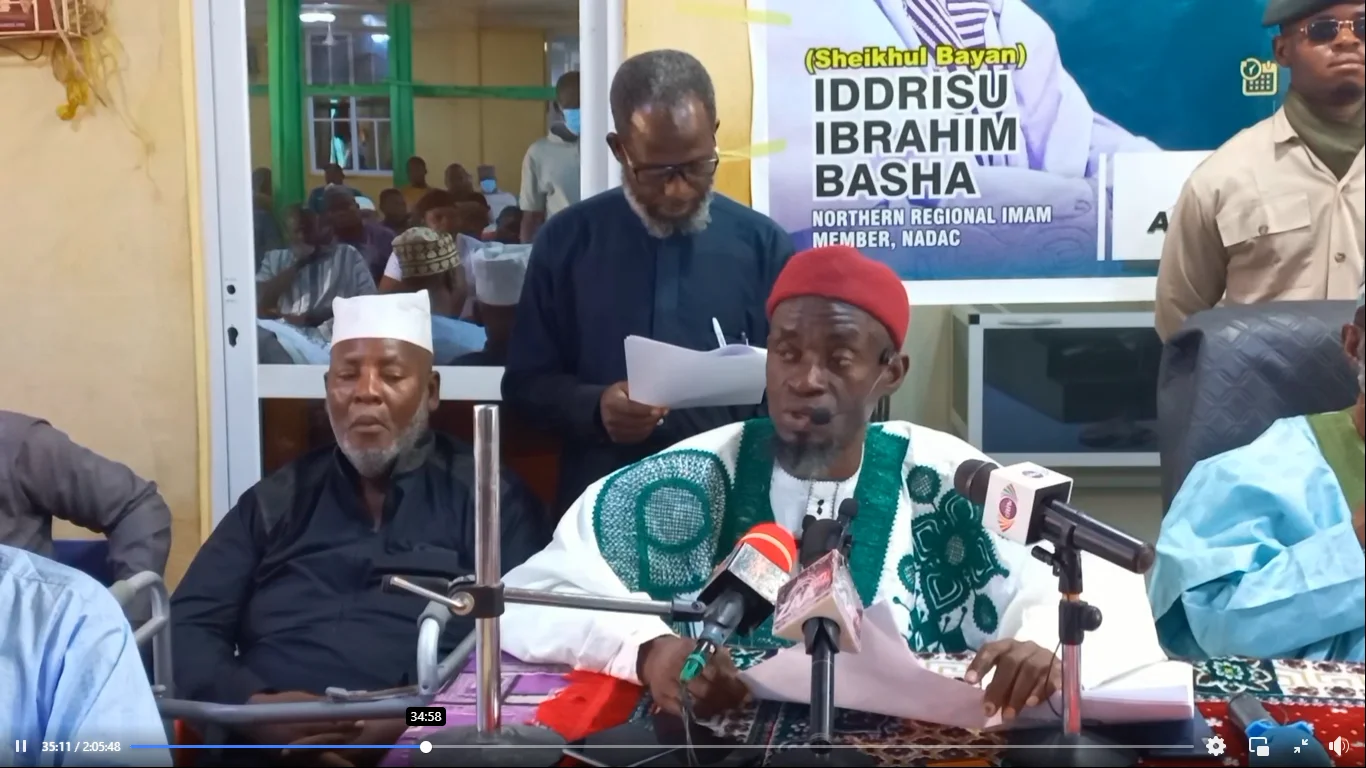
Sectarian tension brew as Ghana’s Shia Imam links Abu Bakr to terrorism
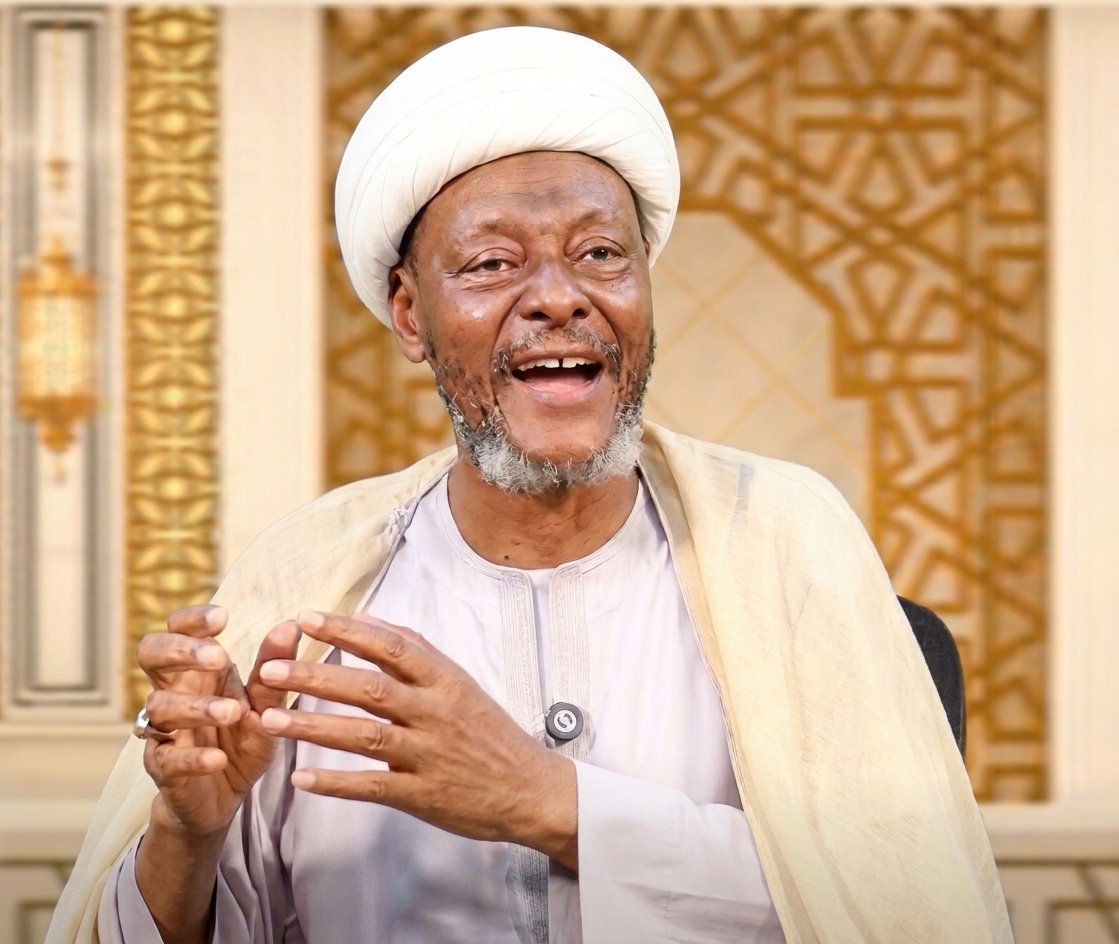
Accra: Sectarian tensions are brewing within Ghana’s Muslim community following controversial remarks by Sheikh Abubakar Ahmad Kamaludeen, the National Imam of the Shia Muslim Community, linking Abu Bakr, the first Caliph of Islam, to the origins of terrorism in Islam.
The remarks have triggered heated exchanges among followers of the Shia and Sunni Muslim traditions, with some engaging in hostile discussions on social media platforms, particularly Facebook and TikTok.
The controversy has also drawn responses from Sunni Muslim scholars, some of whom have challenged the historical accounts cited by the Shia Imam, while others have made disparaging remarks about him.
Sheikh Kamaludeen made the remarks during a public lecture on Tuesday, October 27, 2026, to commemorate the birthday of Imam Ali Zainul Abideen Al-Sajjad.
The lecture, titled “Abdullah, Abu-Talib, and the Ancestral Lineage of Prophet Muhammad (s.a.w.w.) within the Tree of Prophethood: A Qur’anic Analysis”, examined historical accounts relating to the Prophet Muhammad’s ancestry and the early history of Islam.
In the lecture delivered in Hausa, Sheikh Kamaludeen linked Abu Bakr to the origins of what he described as terrorism in Islam, arguing that the foundations of the ideology were established during the early period of Islam and later perpetuated by other movements.
“Abdul Wahhab had a master. Who was his master? Abu Bakr. He was the first to establish this,” he said.
The Shia Imam cited Abu Bakr’s decision to use military force against groups that refused to pay Zakat following the death of Prophet Muhammad as an example of what he considered an innovation in Islam.
Referring to the account of Tha’laba ibn Hatib, Sheikh Kamaludeen said the individual had become wealthy after the Prophet prayed for him but subsequently stopped paying Zakat and distanced himself from the mosque.
He argued that the Prophet did not wage war against Tha’laba for withholding the obligatory alms and questioned why Abu Bakr resorted to military action against groups that refused to pay Zakat after the Prophet’s death.
The Imam presented the decision as a departure from the Prophet’s practice and an example of what he described as bid’ah, or religious innovation.
He also cited the historical account involving Khalid bin Walid and Malik bin Nuwayra, alleging that Khalid killed Malik and subsequently had relations with his widow.
Sheikh Kamaludeen said Umar objected to Khalid’s conduct and wanted him punished, but Abu Bakr declined to take action because of Khalid’s importance as a military commander.
The Shia Imam, however, maintained that his criticism of Abu Bakr and Umar did not mean he regarded them as unbelievers.
“We have never called Abu Bakr and Umar infidels. If there are people who say we have called them infidels, let them produce a recording showing that we did,” he said.
Responding to the arguments, Sheikh Ibrahim Ahmed Mamboni, a Sunni scholar and Chief Executive Officer of the Al-Bayaan Foundation for Education and Humanitarian Services, challenged the account of Tha’laba ibn Hatib, describing the narration as weak and unauthentic.
He also defended Abu Bakr’s military action, arguing that Khalid bin Walid was deployed to confront groups regarded as apostates following the Prophet’s death.
Sheikh Mamboni called on leaders of the Tijaniyya and Sunni Muslim traditions to work together against what he described as attempts to tarnish the reputations of revered personalities in Islam.
He also appealed to state authorities to intervene to prevent the exchanges from escalating, warning that insults directed at the Prophet’s companions could lead to conflict.
Other Muslim scholars, including Sheikh Abdul Rauf Idriss Fufana in Nima and Sheikh Anas Tawfiq Bakri in Kumasi, have also reportedly made disparaging comments about Sheikh Kamaludeen.
In a related development, the Majlis al-Ulama of the Shia Muslim Community issued an advisory on Monday, November 2, 2026, urging members to refrain from making derogatory remarks against Wahhabis (Sunnis) amid the ongoing social media “discussions” concerning Abu Bakr and related matters.
The advisory followed a plenary meeting of the Majlis chaired by Sheikh Kamaludeen.
It encouraged members to pursue intellectual discourse in accordance with the principles of propagation outlined in the Holy Quran and the teachings of Prophet Muhammad and the Ahlul Bait.
The notice, signed by Sheikh Kamaludeen on behalf of the Majlis, called for restraint and responsible engagement in the discussions.
Join our whatsapp channel for all the latest updates.
For news coverage, article publication, and advertisement, send an email to ghanaianminaret@gmail.com or reach us via whatsapp, telegram or phone call on +233266666773.