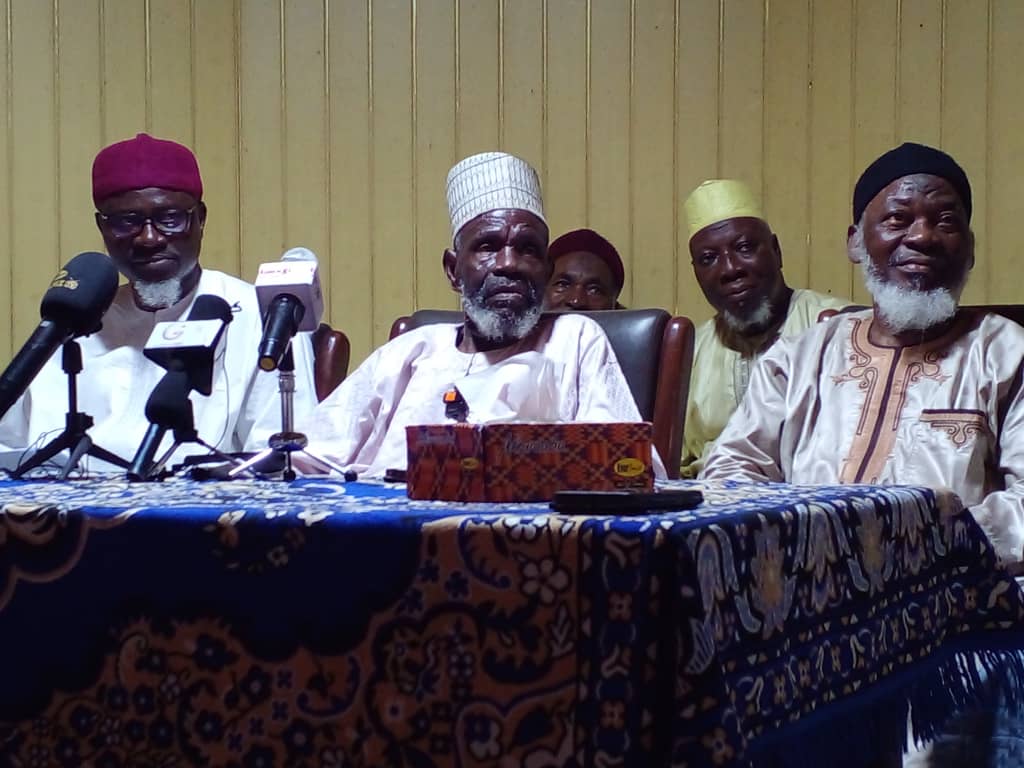

NADAC appoints Sheikh Baasha as interim ASWAJ National Imam
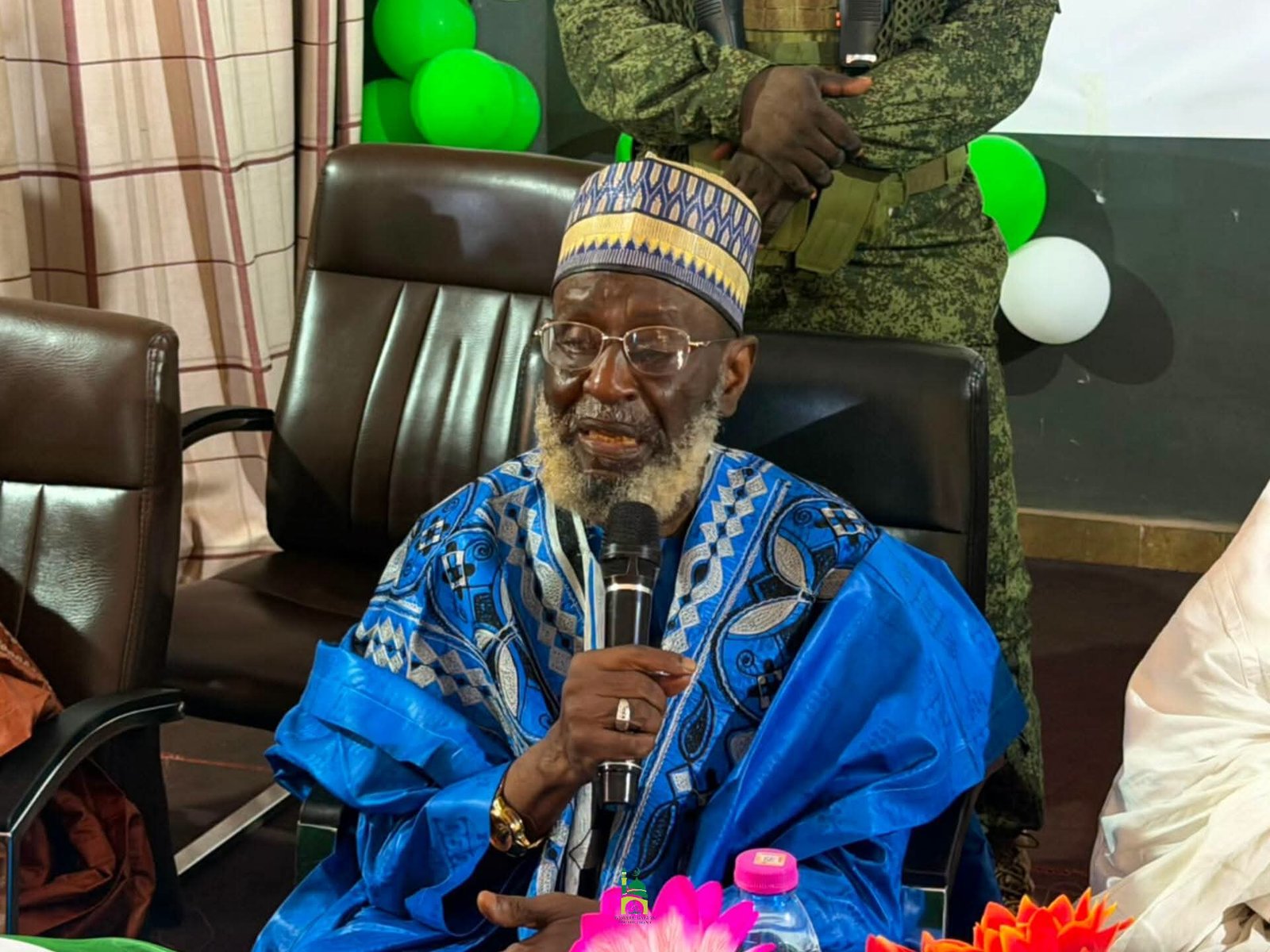
Accra: The National Da’wa Council (NADAC) of Ahlussunna Wal Jama’a (ASWAJ) has appointed Sheikh Ibrahim Baasha, its Northern Regional Imam, as Interim National Imam, following the removal of Sheikh Umar Ibrahim Imam from the position.
A public notice issued by NADAC on November 5, 2026, said the appointment was intended to “ensure administrative continuity, maintain institutional stability and facilitate a smooth transition” within the organisation.
Sheikh Baasha, a founding member of ASWAJ, is expected to lead the organisation during the transitional period, pending further notice and the appropriate constitutional processes.
The appointment, however, raises questions about its constitutional basis, as the ASWAJ Constitution provides specific succession arrangements but does not expressly spell out the procedure for appointing a separate interim National Imam following the removal of an incumbent.
Article 9(B)(2)(b) of the Constitution states that the First Deputy National Imam shall “act in the National Imam’s stead in his (the National Imam’s) absence.”
The Constitution defines absence to include “physical absence or physical inability or circumstances disabling the Imam to function.”
It further states in Article 9(B)(2)(c) that “Should the National Imam’s incapacitation be permanent, the 1st Deputy shall be acting until a substantive Imam is elected to replace him.”
The Constitution also provides for the Second Deputy to act in the First Deputy’s stead in his absence.
Article 9(B)(3)(e) further states that “In the absence of the National Imam and his two Deputies, the Chairman of NADAC shall act as the National Imam until a substantive Imam is elected.”
These provisions establish a succession framework involving the existing deputies and, in specified circumstances, the NADAC Chairman.
However, they do not expressly identify removal through a vote of no confidence as a circumstance requiring the appointment of a separate interim Imam.
Article 11(3), under which NADAC removed Sheikh Umar, provides for removal from office “when two-thirds or more of the members of the council/committee that elected him pass a vote of no confidence in him.”
The removal resolution, dated November 4, 2026, said 21 NADAC members voted in favour of the motion, while four members were absent.
The Council said the decision was taken under Article 11(3) of the ASWAJ Constitution.
Although Article 7(C)(1) assigns NADAC responsibility for electing the National Imam and his two deputies, stating that “the election of the National Imam and his two (2) deputies shall be done by the NADAC,” it does not expressly confer a separate power to appoint an interim officeholder outside the succession arrangements in Article 9.
In its November 5 notice, NADAC said the appointment was intended to provide “steady leadership during this transitional period,” drawing on Sheikh Baasha’s “longstanding association with the organisation and his institutional experience.”
The notice, however, did not cite a specific constitutional provision as the basis for the appointment or explain how the decision relates to the existing deputy positions.
It also did not indicate whether the First Deputy National Imam, Sheikh Kamil Mohammed Kamil, and the Second Deputy National Imam, Sheikh Amin Osman Tanko, had been consulted or were considered unable to assume acting responsibilities.
The appointment therefore leaves questions about how NADAC interprets the constitutional succession provisions following the removal of an incumbent and the basis for selecting Sheikh Baasha rather than applying the existing succession arrangements.
NADAC called on ASWAJ members in Ghana and abroad, as well as the general public, to “remain calm and peaceful,” and urged members to extend their cooperation and support to the Interim National Imam.
It also urged members to uphold “the principles of unity, discipline, mutual respect and adherence to the Constitution of ASWAJ” during the transitional period.
The Council did not indicate when a substantive National Imam would be elected, saying only that the appointment would remain in place pending further notice and the appropriate constitutional processes.
The constitutional provisions on acting succession do not expressly resolve the circumstances arising from the removal of an incumbent through a vote of no confidence.
The appointment consequently requires further clarification from NADAC on the constitutional interpretation underpinning the interim arrangement.
Join our whatsapp channel for all the latest updates.
For news coverage, article publication, and advertisement, send an email to ghanaianminaret@gmail.com or reach us via whatsapp, telegram or phone call on +233266666773.