Iran leads global Islamic Banking with $2.19tn in assets, lags in sukuk
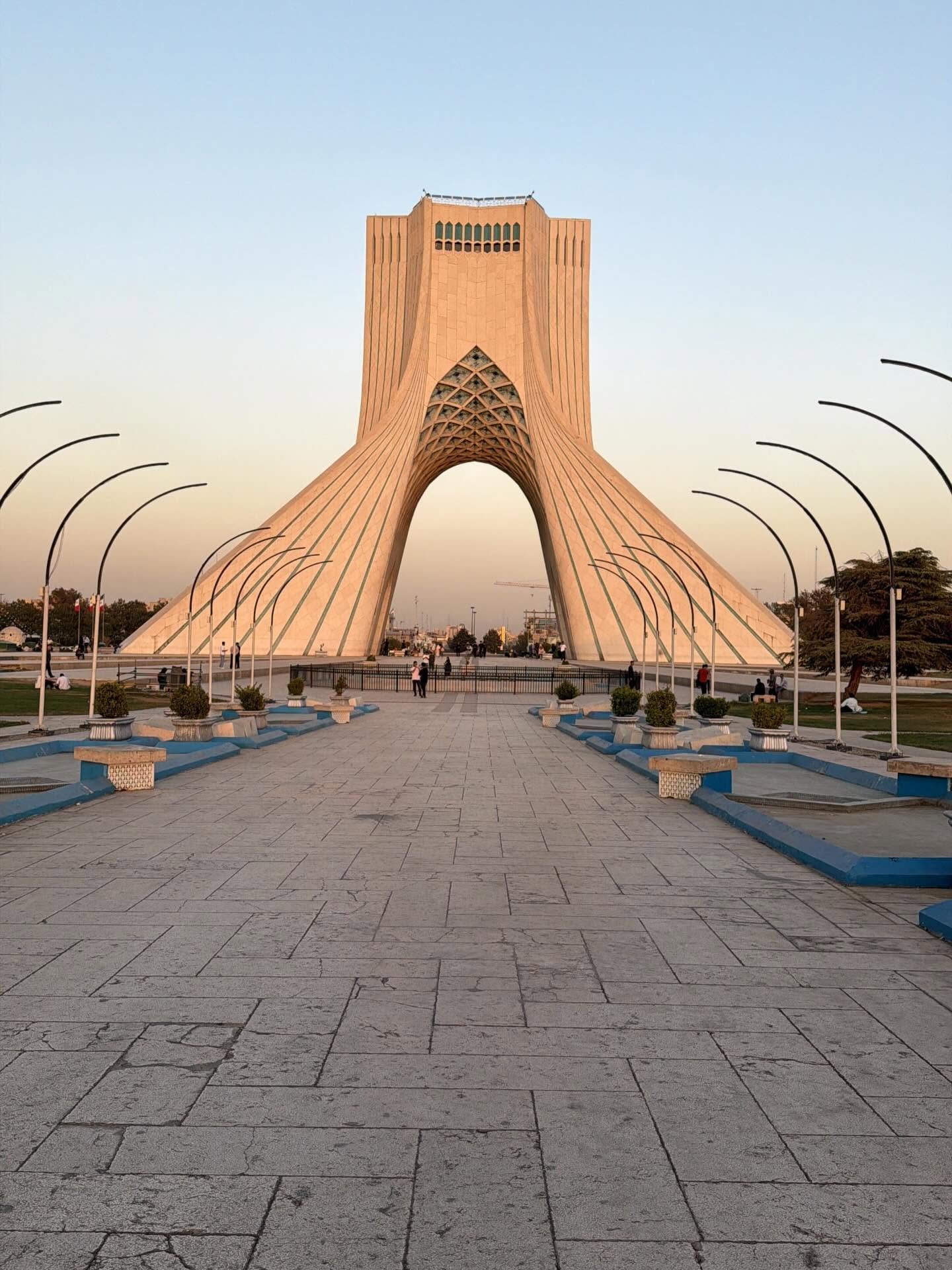
TEHRAN, (GNA) – Iran maintained its status as the world’s largest national market by asset size in 2025, accounting for approximately one-third of global Islamic finance assets, according to the ICD–LSEG Islamic Finance Development Report 2026.
The report, titled Growth amid Headwinds, valued Iran’s holdings at $2.194 trillion, placing the country ahead of Saudi Arabia, which recorded $1.468 trillion, and Malaysia, with $862 billion.
Together, the three nations accounted for $4.52 trillion out of the global industry’s total $6.5 trillion asset base, underlining a heavy concentration of Islamic finance within a select group of major markets.
Worldwide, the Islamic finance industry grew by 9% during the year with operational foothold in 98 countries.
However, the report highlighted a significant data limitation regarding Iran’s standing.
Because of limited access to updated financial statements from Iranian financial institutions, the country’s 2025 asset figures were carried forward from the previous year.
The report has therefore advised that global totals and year-on-year growth rates should be interpreted with this constraint in mind, noting that currency fluctuations could materially alter the US-dollar valuation of Iranian assets.
A sector-by-sector breakdown shows that Islamic banking remains the dominant driver of Iran’s financial footprint.
Banking assets in Iran reached $1.962 trillion in 2025, leading the global banking segment ahead of Saudi Arabia ($997 billion) and the United Arab Emirates ($375 billion).
Globally, Islamic banking assets rose 8% to $4.58 trillion, making up roughly 71% of total industry assets.
Iran also captured the top global position in Islamic investment funds, reporting $103 billion in assets under management.
It outpaced the United Kingdom ($67 billion), the UAE ($51 billion), Malaysia ($44 billion), and Saudi Arabia ($34 billion).
Worldwide, Islamic funds saw the fastest sectoral growth, expanding 22% to $375 billion on the back of strong equity performances.
In contrast, Iran maintained a comparatively small presence in the global sukuk (Islamic bond) market.
Its outstanding sukuk stood at approximately $20 billion, trailing well behind market leaders Saudi Arabia ($369 billion) and Malaysia ($359 billion), as well as Indonesia ($115 billion) and the UAE ($95 billion).
Within the year under review, outstanding sukuk crossed $1.1 trillion following a record $291.4 billion in new issuances.
On development metrics, Iran scored 114 on the report’s Financial Performance Indicator, placing it behind Malaysia (150) and Saudi Arabia (136).
On the broader Islamic Finance Development Indicator (IFDI) which evaluates countries across governance, sustainability, knowledge, and awareness, Malaysia, Saudi Arabia, the UAE, Indonesia, and Pakistan retained their positions as the world’s most developed markets overall.
Looking ahead, the report projected that worldwide Islamic finance assets will scale up to $10.5 trillion by 2030, supported by an average annual growth rate of 9%.
Join our whatsapp channel for all the latest updates.
For news coverage, article publication, and advertisement, send an email to ghanaianminaret@gmail.com or reach us via whatsapp, telegram or phone call on +233266666773.