
Several Nigerian States Declare Public Holiday for Islamic New Year 1448 AH
Abuja: Several state governments across Nigeria have declared Tuesday, June 16, 2026, as a public holiday to commemorate the Islamic New Year, marking the commencement of the Hijrah 1448 AH lunar calendar.
Various state executives independently made the declarations that will lead to the closure of government offices, public schools, and non-essential services on Tuesday.
The Islamic New Year holiday is not universally observed across the entire country, as public holidays are typically declared at the discretion of individual state governments rather than by the federal government.
Northern States Lead Declarations
In the north, the governments of Kano, Jigawa, Katsina, and Kebbi states officially confirmed the work-free day to allow citizens to celebrate and reflect on the significance of the new Islamic year.
Governor Nasir Idris directly approved the holiday in Kebbi State.
According to a press directive issued by the Permanent Secretary of Establishment, Hajiya Hafsat Tune, the state mandate is designed to grant the public an unimpeded opportunity to mark the lunar milestone.
Concurrently, the Katsina State Government released an official declaration from Governor Malam Dikko Umaru Radda.
In his executive order, Governor Radda urged citizens to “use the occasion to pray for peace, unity, and progress in Katsina State and Nigeria at large”.
He further called on residents to “remain law-abiding” and “continue to support government efforts to build a more secure and prosperous state”.
Southern Observances
In the southwest, states with significant Muslim populations, including Osun, Oyo, and portions of neighbouring regions, are also observing the holiday.
Unlike national holidays such as Eid al-Fitr or Eid al-Adha, which are declared centrally by the Federal Ministry of Interior, the Islamic New Year (1st of Muharram) is historically granted at the discretion of individual state governments.
As a result, federal government secretariats and banking institutions nationwide are expected to maintain skeletal or regular operations unless located in states that enforce a total shutdown.
Calls for Reflection
Islamic leaders and state officials have issued joint statements calling on the Muslim Ummah to embody the virtues of patience, piety, and coexistence as the new year begins.
Citizens in the affected states are advised to plan their business operations and travel schedules around the single-day closure, as normal official activities are scheduled to resume on Wednesday, June 17, 2026.
Historical Context of the Hijrah Calendar
The Hijrah calendar, also known as the Islamic or lunar calendar, holds immense spiritual and historical weight for Muslims worldwide.
Its starting point dates back to 622 AD, marking the migration (Hijrah) of the Prophet Muhammad and his followers from Mecca to Medina to escape persecution. This pivotal event led to the establishment of the first Islamic state.
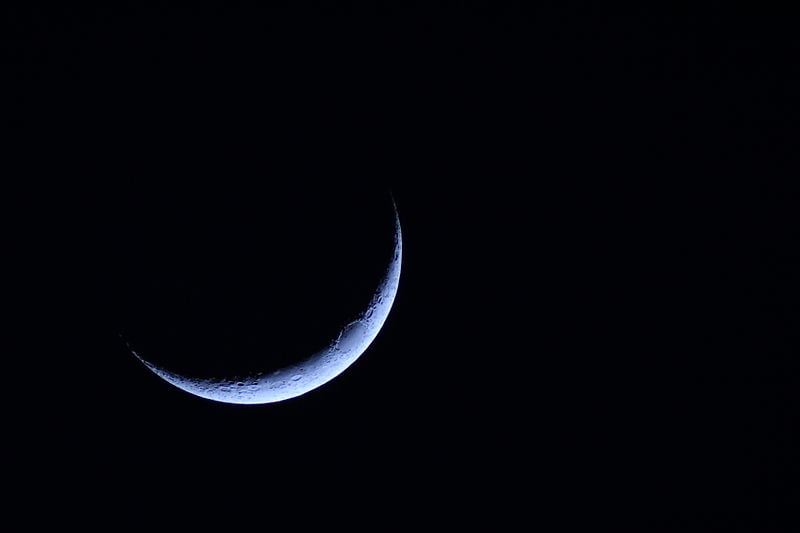
Unlike the solar Gregorian calendar, the Hijrah calendar relies on lunar cycles, spanning 12 months across roughly 354 or 355 days.
Because lunar years are shorter than solar years, Islamic months shift backward through the seasons by about 11 days annually.
The month of Muharram is the first month of this lunar system, making its opening day the official start of the Islamic New Year.
Join our whatsapp channel for all the latest updates.
For news coverage, article publication, and advertisement, send an email to ghanaianminaret@gmail.com or reach us via whatsapp, telegram or phone call on +233266666773.